tr

Atık işleme endüstrisinde sıkıştırma yoğunluğu en sık yanlış anlaşılan ölçümlerden biridir. Birçok müşteri, daha yoğun ve daha ağır bir balyanın...
READ MORE
2026-09-04
A baler is a hydraulic or mechanical press used to compress recyclable materials into dense, uniform bales. Whether you are handling corrugated cardboard, plastic films, PET bottles, or aluminum cans, the right baler transforms waste into valuable commodities.
Baling reduces waste volume by up to 90%, slashes transportation costs, and opens revenue streams from recycled materials. It is the backbone of efficient waste management for warehouses, retail chains, and recycling facilities.
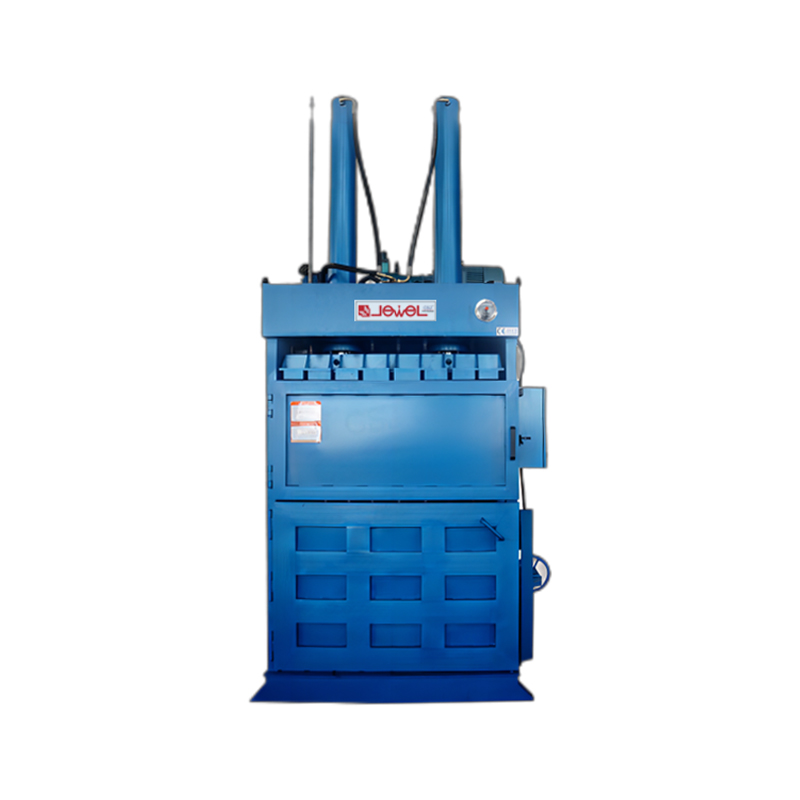
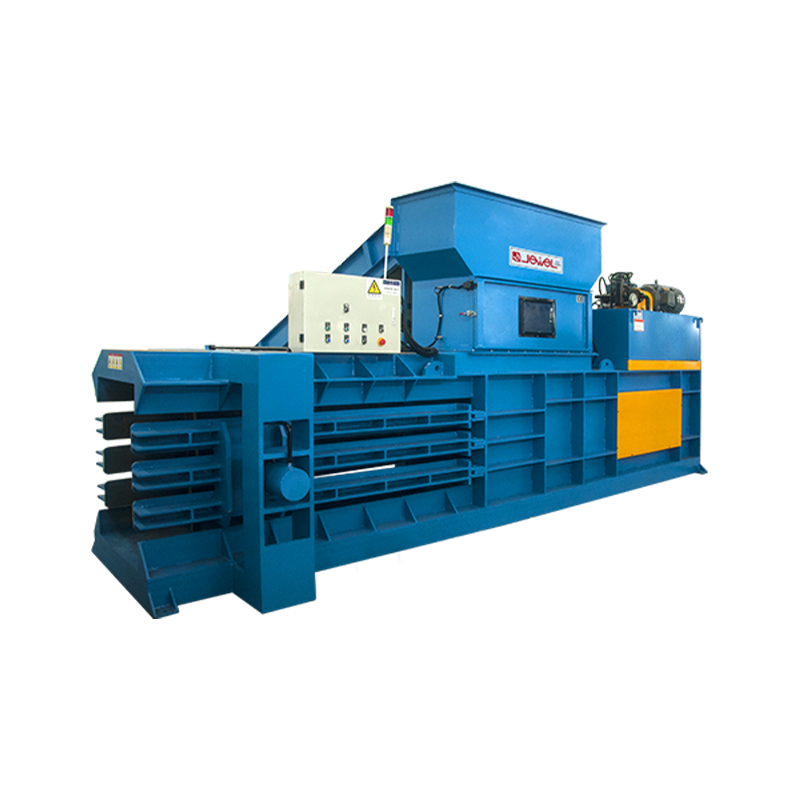
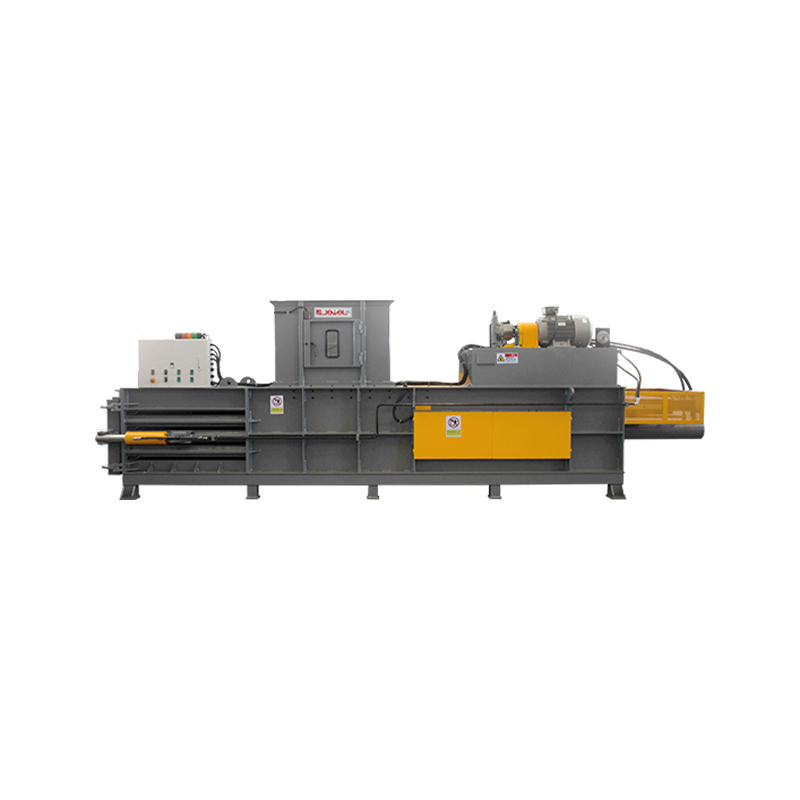
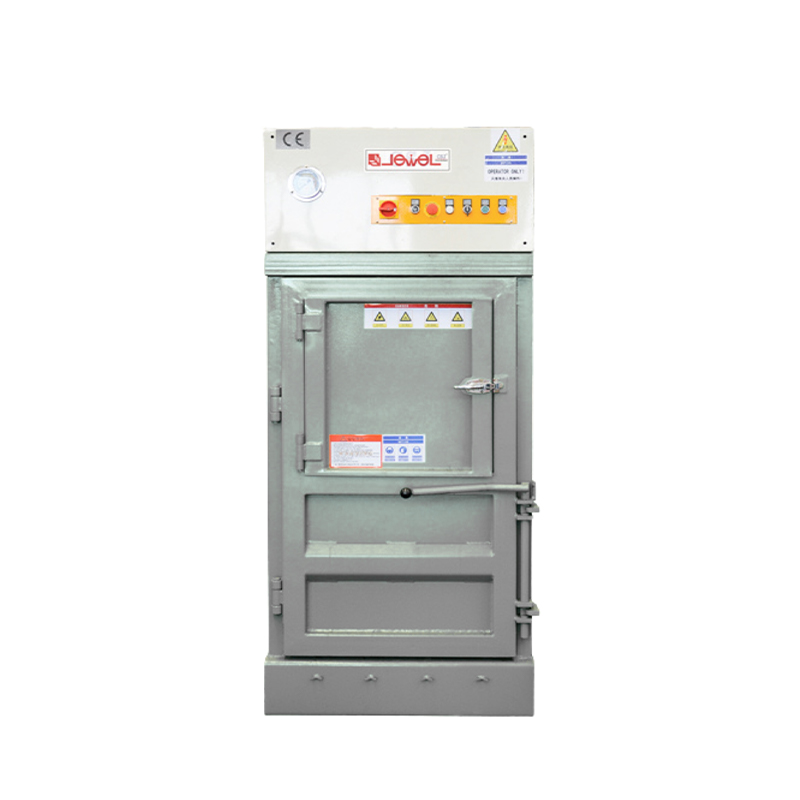
Vertical balers (space-saving), horizontal balers (high-throughput), and specialized plastic balers. Each serves distinct applications – from small-store cardboard compaction to heavy-duty industrial plastic recycling.
The short answer is yes, but only with the right baler type . Standard cardboard balers are not designed for plastics. Here is the professional breakdown:
Using a cardboard baler for plastic leads to jams, uneven bales, and equipment damage. Conversely, a plastic baler handles cardboard effortlessly, but that would be overkill for paper waste. Invest in the machine that matches your primary material.
A cardboard baler is a dedicated machine that compresses old corrugated containers (OCC) and other paperboard into dense rectangular bales. The process involves:
Floor space: 1.5–3 m². Ideal for small to mid-volume retailers. Bale weight: 30–100 kg. Low initial investment, manual tie.
Continuous feed, automatic tying. Output: 1–10 tons/hour. Bale weight: 300–800 kg. Suitable for large distribution centers.
This is the most common question from warehouse managers. The answer depends on waste volume, current disposal costs, and local recycling prices. Here is a data-driven analysis.
*Based on average waste volume of 2 tons/week, disposal fee $100/ton, and bale resale value $80/ton.
Assume: 3 tons cardboard/week. Disposal cost $90/ton = $14,040/year. Bale selling price $70/ton = $10,920/year. Net saving = $24,960/year. A vertical baler costing $6,500 pays back in ~3 months. A horizontal baler at $25,000 pays back in ~1 year.
Absolutely. Cardboard bales are a tradable commodity. Prices fluctuate with global pulp markets, but they consistently hold value. Factors that affect bale price:
Current market rates (average Q2 2026):
| Material Grade | Price per Ton (USD) | Bale Weight (kg) | Value per Bale |
|---|---|---|---|
| OCC (Old Corrugated) | $85 – 120 | 400 | $34 – 48 |
| Mixed Paper | $50 – 70 | 350 | $17.5 – 24.5 |
| High-Grade Cardboard | $130 – 160 | 450 | $58.5 – 72 |
With a horizontal baler producing 10 bales per hour, daily revenue can exceed $500.
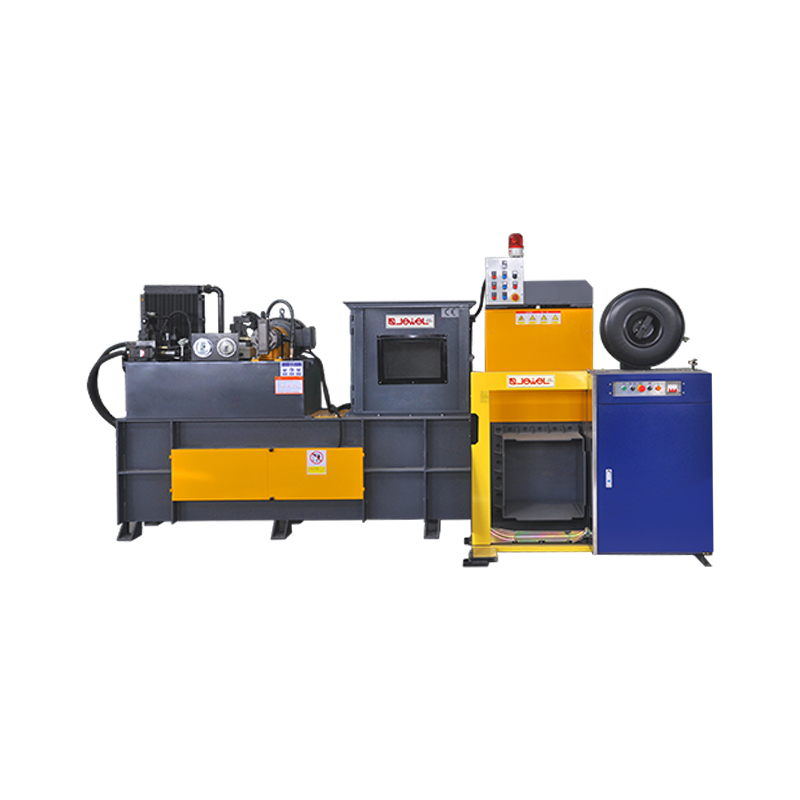
A horizontal plastic baler is the workhorse for large-scale plastic recycling. Unlike vertical models, horizontal balers feature a continuous feed mechanism and automatic tying, making them ideal for processing high volumes of PET, PE, PP, and mixed plastics.
| Model | Pressure (tons) | Bale Size (mm) | Bale Weight (kg) | Motor Power (kW) | Throughput (tons/h) |
|---|---|---|---|---|---|
| HBP-60 | 60 | 800×600×600 | 350 | 22 | 2 – 3 |
| HBP-100 | 100 | 1000×700×700 | 550 | 37 | 4 – 6 |
| HBP-150 | 150 | 1100×800×800 | 750 | 55 | 7 – 10 |
| HBP-200 | 200 | 1200×900×900 | 950 | 75 | 10 – 12 |
*Average cost per ton of plastic waste management (collection, transport, labor).
Intuitive HMI panel with diagnostic alerts, bale counter, and maintenance reminders. Real-time data logging for production optimization.
Automatic reversal when overload detected. Protects the hydraulic pump and extends machine life.
Regenerative hydraulic circuits reuse energy during decompression, reducing overall electricity consumption by up to 20%.
Easily switch between different bale sizes (e.g., from 800×600 to 1000×700) without tools.
Regular oil filter changes, hydraulic fluid checks, and wear-plate inspections. Most manufacturers recommend a monthly inspection and annual oil replacement.
Moisture reduces bale strength and value. Cardboard balers work best with dry material. Some horizontal models have drainage channels for minimal moisture.
Typical footprint: 8m×3m for a 100-ton model. Include clearance for conveyor feed and bale ejection. Vertical models require only 2m×2m.
If your volume is seasonal, renting provides flexibility. For permanent operations, buying offers better ROI. Lease options with purchase at end are common.
Vertical cardboard balers: $4,000 – $20,000
Horizontal cardboard balers: $25,000 – $80,000
Horizontal plastic balers: $45,000 – $150,000
Vertical: 3 – 6 months
Horizontal cardboard: 6 – 12 months
Horizontal plastic: 12 – 18 months (due to higher volume and revenue)
A medium-sized supermarket producing 1.5 tons of cardboard weekly can, with a vertical baler, reduce disposal fees from $6,000/year to $2,000, while earning $4,000 from bale sales – a net improvement of $8,000 annually. Upgrade to a horizontal baler, and that jumps to $15,000 with higher density and lower labor.
Önerilen ürünler
Atık işleme endüstrisinde sıkıştırma yoğunluğu en sık yanlış anlaşılan ölçümlerden biridir. Birçok müşteri, daha yoğun ve daha ağır bir balyanın...
READ MOREKarton Balya Makinesi Nedir? Günde iki ton oluklu artık üreten bir paketleme tesisi tanıdık bir sorunla karşı karşıyadır: Gevşek karton kırk ...
READ MOREKüresel döngüsel ekonomi ve verimli endüstriyel atık kullanımı bağlamında metal kaynaklarının geri dönüşümü, daha yüksek ekipman performansı gerektirir. Dökm...
READ MORESon zamanlarda catering sektöründeki "hazır yemek olayı" kamuoyunun dikkatini ön plana çıkardı. Catering işinden sorumlu kişi, sert bir yanıttan kamuya...
READ MOREÖnce Kısa Cevap Oluklu ambalaj fabrikasındaki bir üretim müdürü yakın zamanda bana iki fotoğraf gösterdi. Bunlardan ilki, bir kamyona yüklenmeyi bek...
READ MOREYüksek Hacimli Malzeme Sıkıştırma için Yatay Balya Makineleri: Teknik Bir Bakış Büyük miktarlarda karton, plastik film, tekstil artıkları veya metal...
READ MORE
Atık Türleri
Kategoriler
 Özel Balyalama Pres Makinası Üreticileri